Move
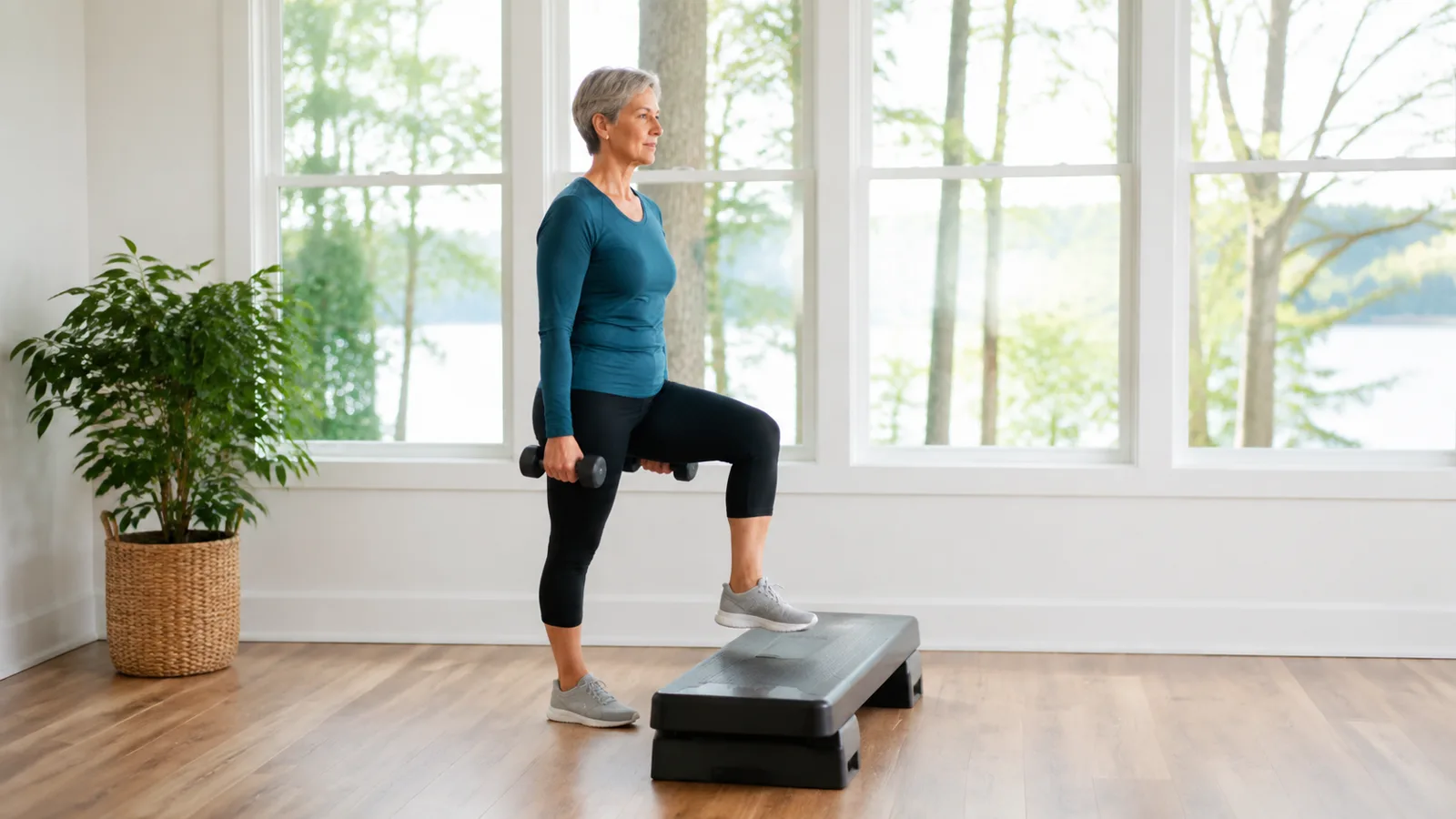
Bone-Loading Exercise After 50: Four Signals Walking Alone May Miss
A practical framework for combining weight-bearing movement, resistance, direction change and balance while respecting osteoporosis and fracture limits.
Practical fitness and food guidance, plus transparent tests showing where popular AI models agree, disagree and miss important context.
Read our featured guide →
An overnight increase on the scale can reflect water, glycogen, food mass or measurement conditions. Here is how to read the number without guessing.
Read the complete guide →Use our free monthly five-pattern check-in to notice whether everyday movement is becoming easier, staying similar or feeling less secure.

A practical framework for combining weight-bearing movement, resistance, direction change and balance while respecting osteoporosis and fracture limits.
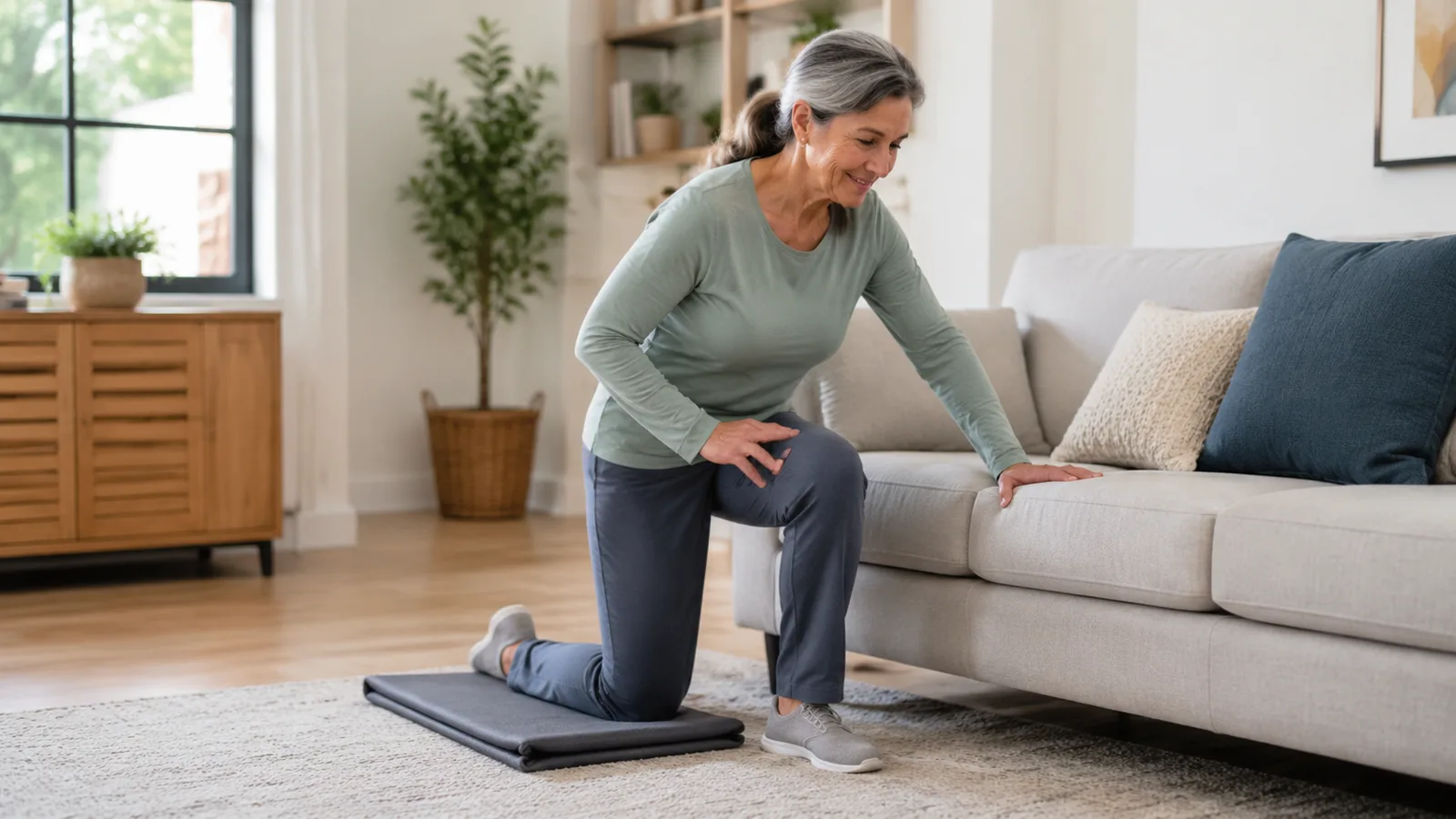
A five-level way to practice getting down to—and back up from—the floor without turning a useful life skill into a risky fitness test.
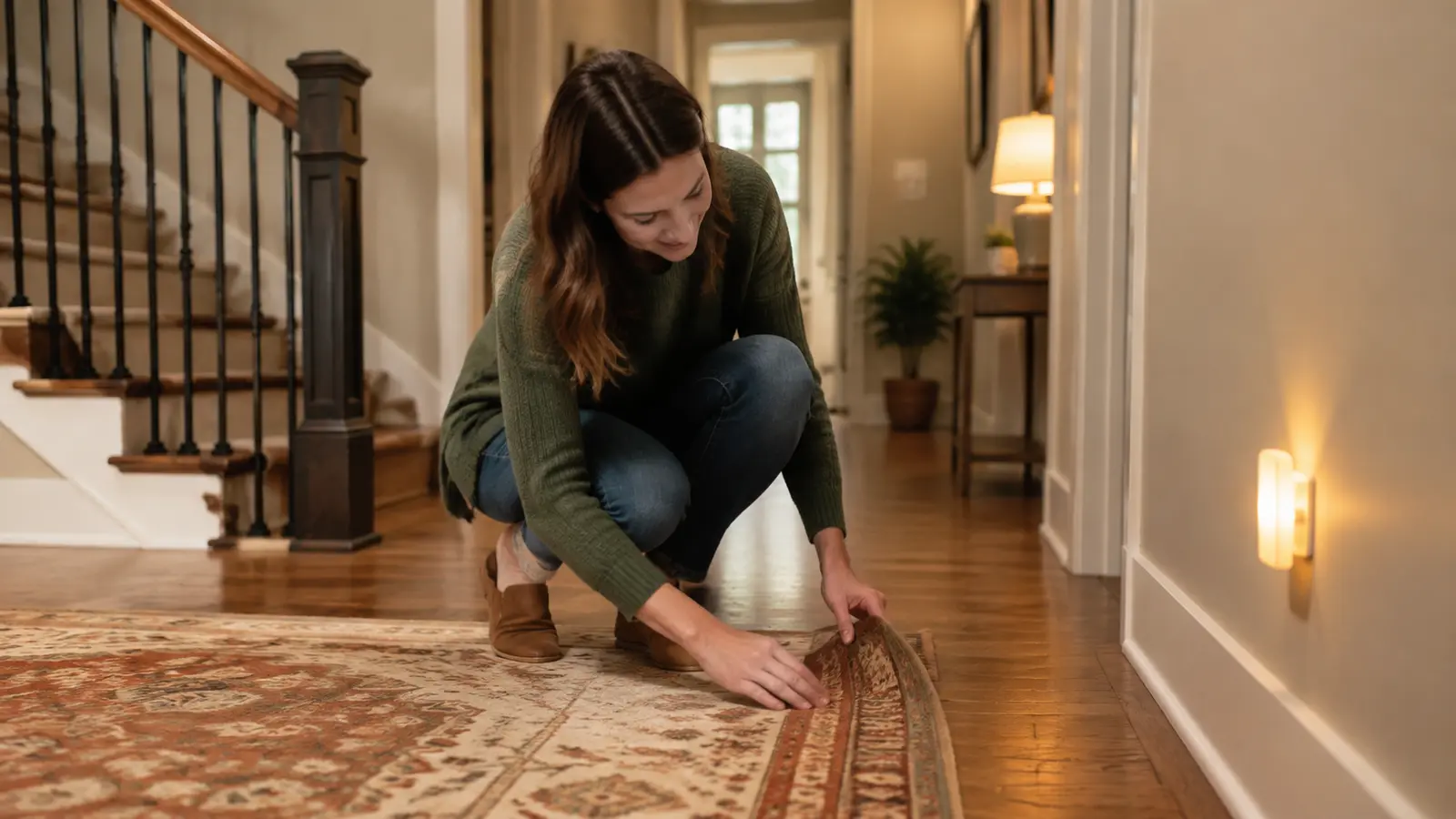
Practical changes for floors, stairs, bathrooms and bedrooms that reduce avoidable hazards without making home feel clinical.
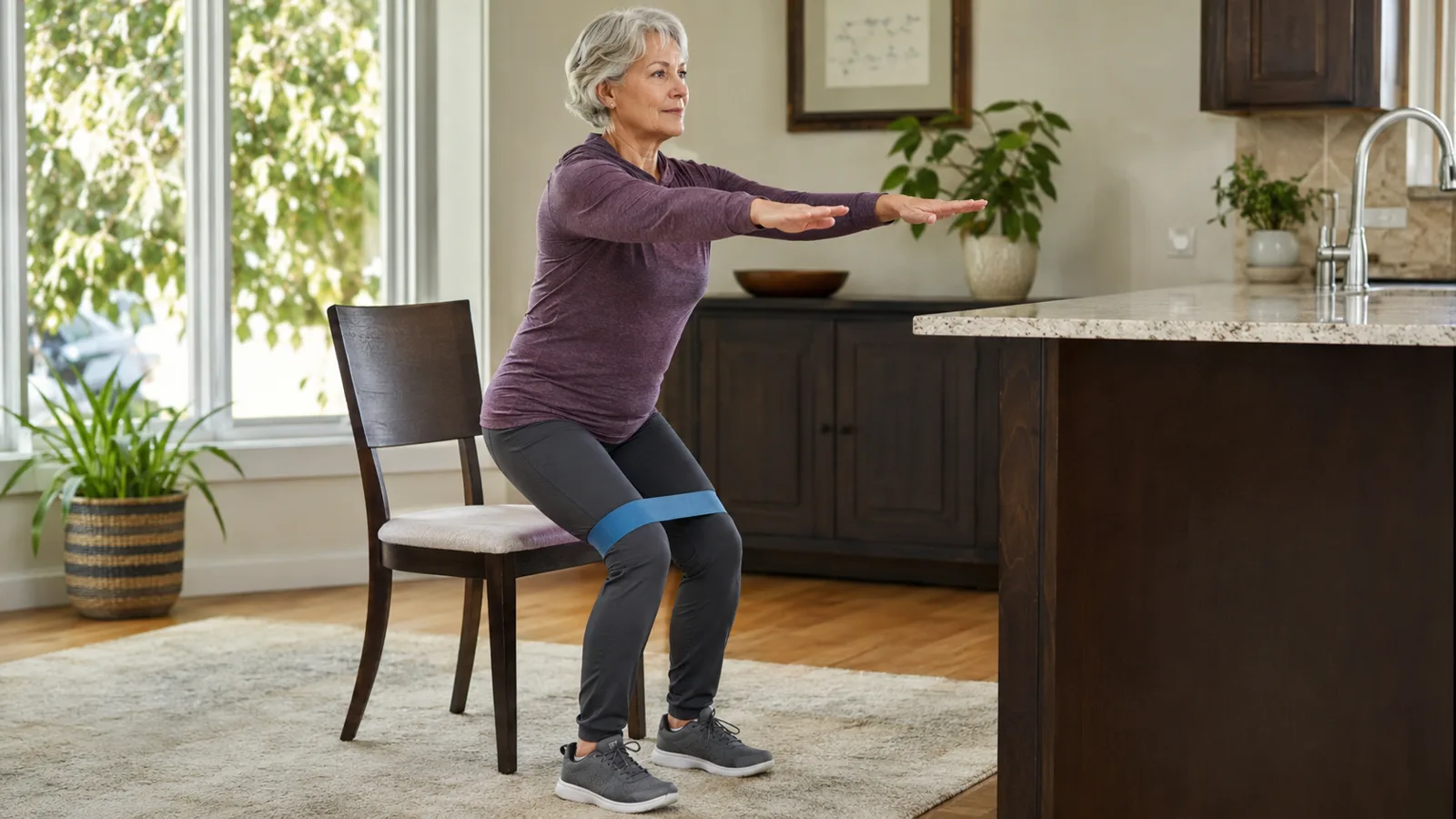
A symptom-aware framework for adjusting chair rises, step-ups and walking without treating all discomfort as damage—or ignoring warning signs.

A four-week walking framework for adults that separates public-health targets from a safe, realistic starting point.

A four-zone walking method that uses speech, breathing and recovery instead of unreliable calorie numbers or age-based pace rules.
A flexible adult activity framework that turns public-health targets into a recoverable week without pretending one schedule fits everyone.

What official guidance and the 2026 ACSM evidence review support—and a conservative two-day framework for adult beginners.
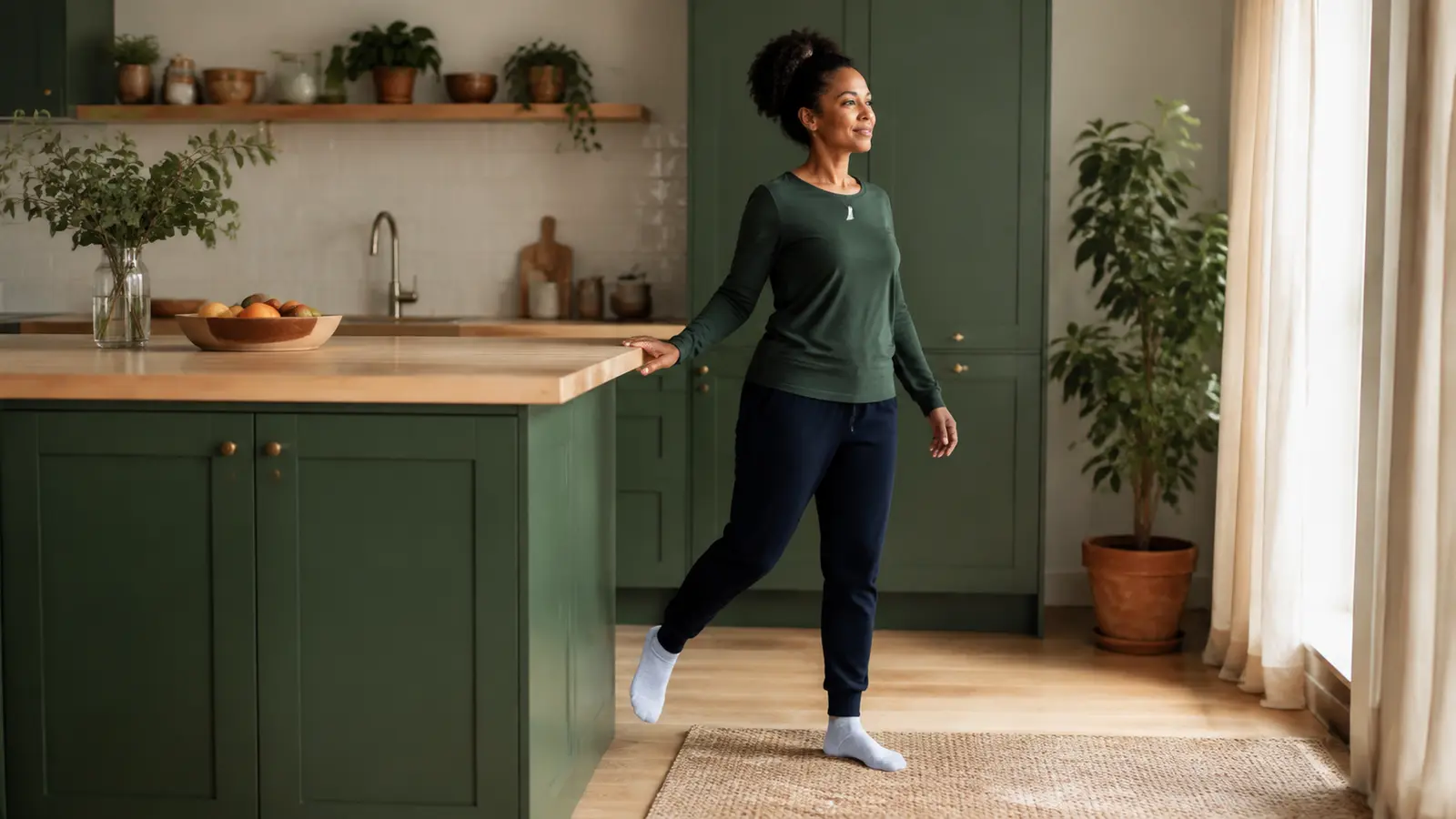
A safety-first adult balance framework that explains progression, limits and when a generic routine is not appropriate.
A practical five-part monthly check-in for tracking everyday capability without unsafe maximal tests, online cut-offs or false health scores.
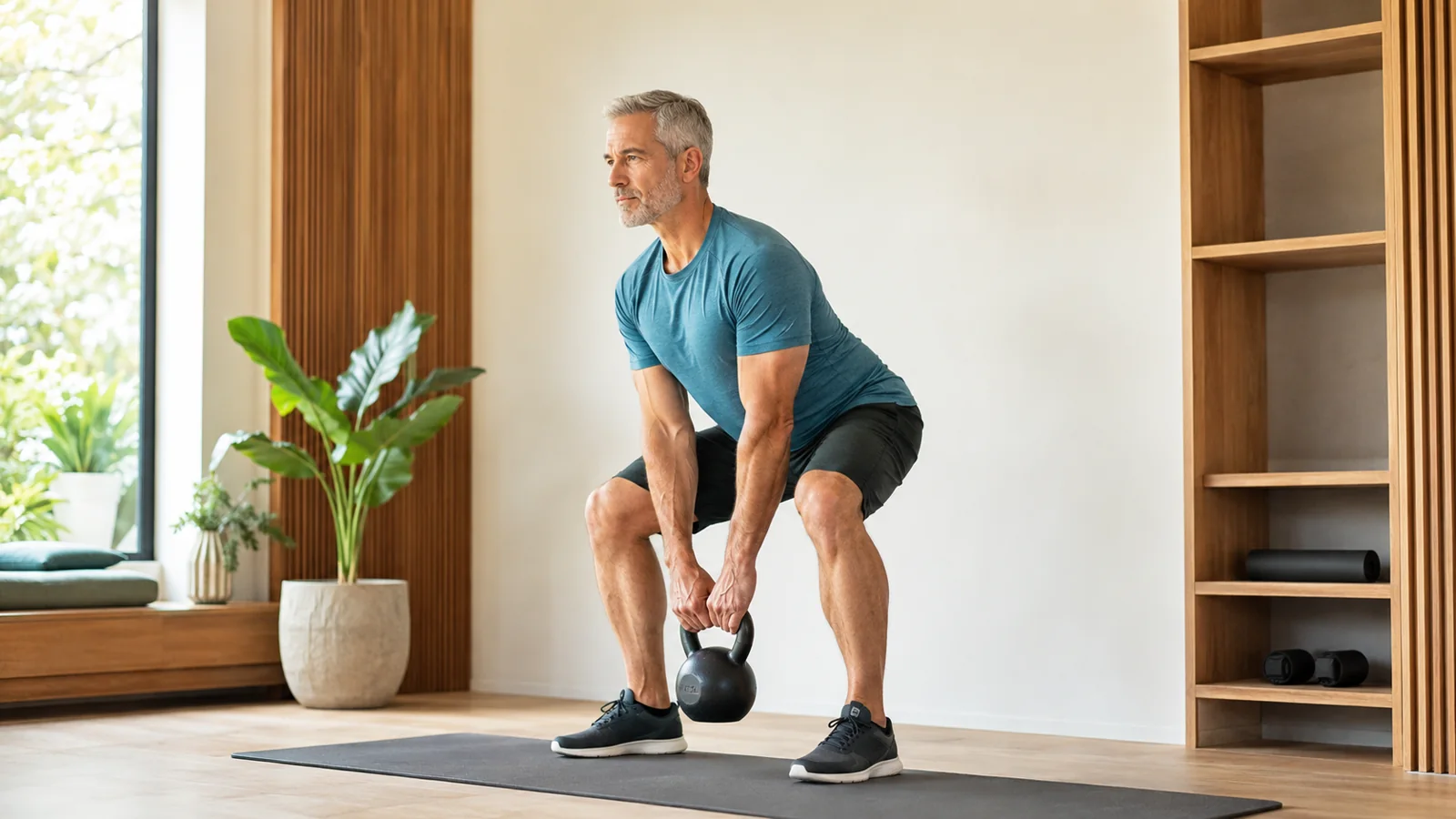
A practical framework for tracking the strength that protects everyday capability, without turning healthy aging into a physique contest.
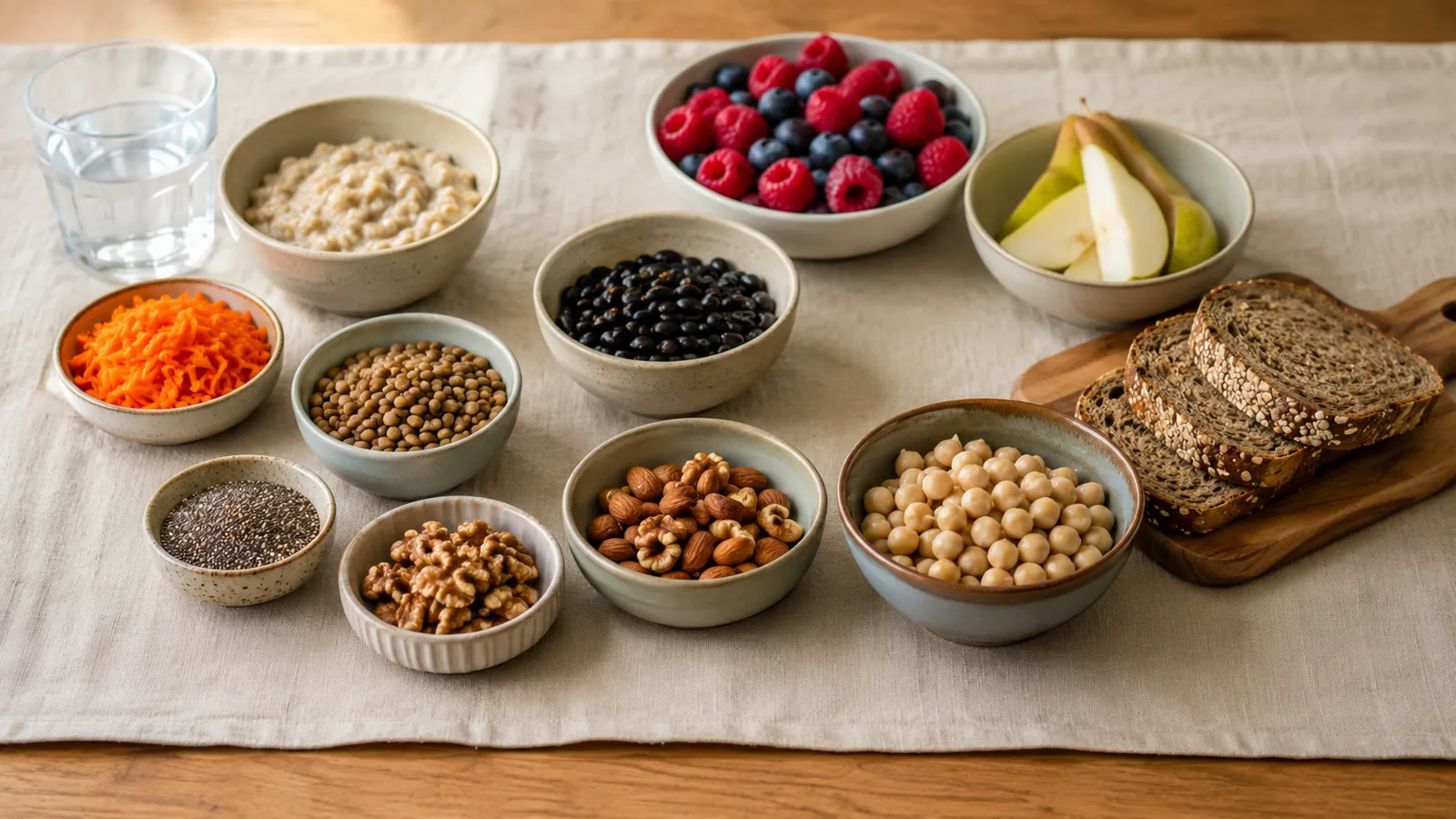
A gradual food-first plan that increases fibre variety and fluids while tracking comfort, medications and warning signs.

A food-first method for spreading protein across ordinary meals, with realistic portions, plant options and clear medical limits.

A practical order for checking serving size, sodium, added sugar, fiber and protein when comparing packaged foods.

A gradual, flavor-first approach to lowering sodium in everyday meals while keeping food enjoyable.
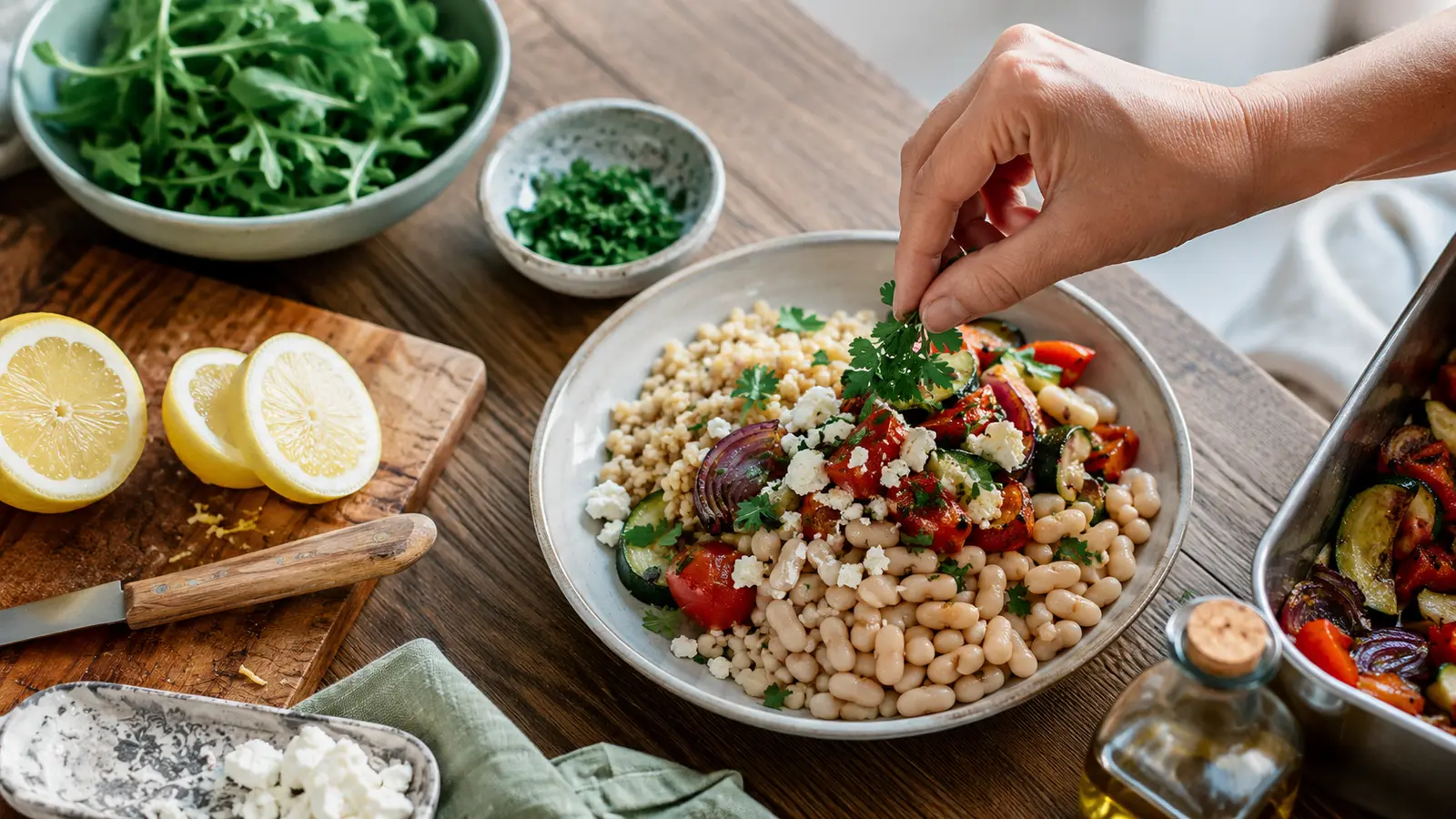
A plain-English evidence audit of the Mediterranean eating pattern, its limits, and a realistic seven-day starting plan.
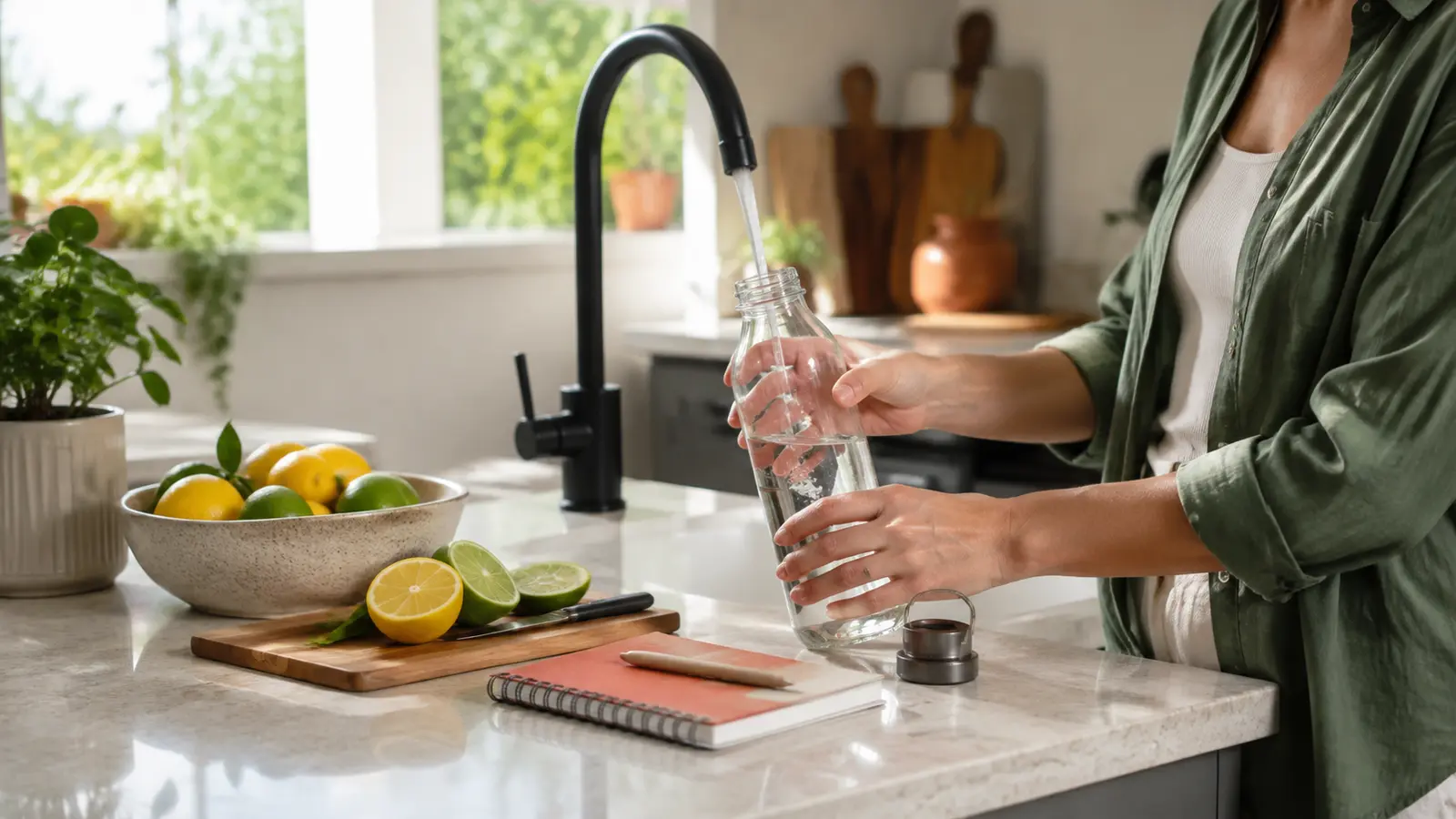
An evidence-aware guide to total water, changing fluid needs, useful warning signs and the limits of universal hydration targets.

A practical adult framework for rebuilding repeated contact, closeness and purpose after work, relocation or another major routine change.

An adult sleep evidence audit: duration, regularity, insomnia, warning signs and a seven-night observation plan without miracle claims.
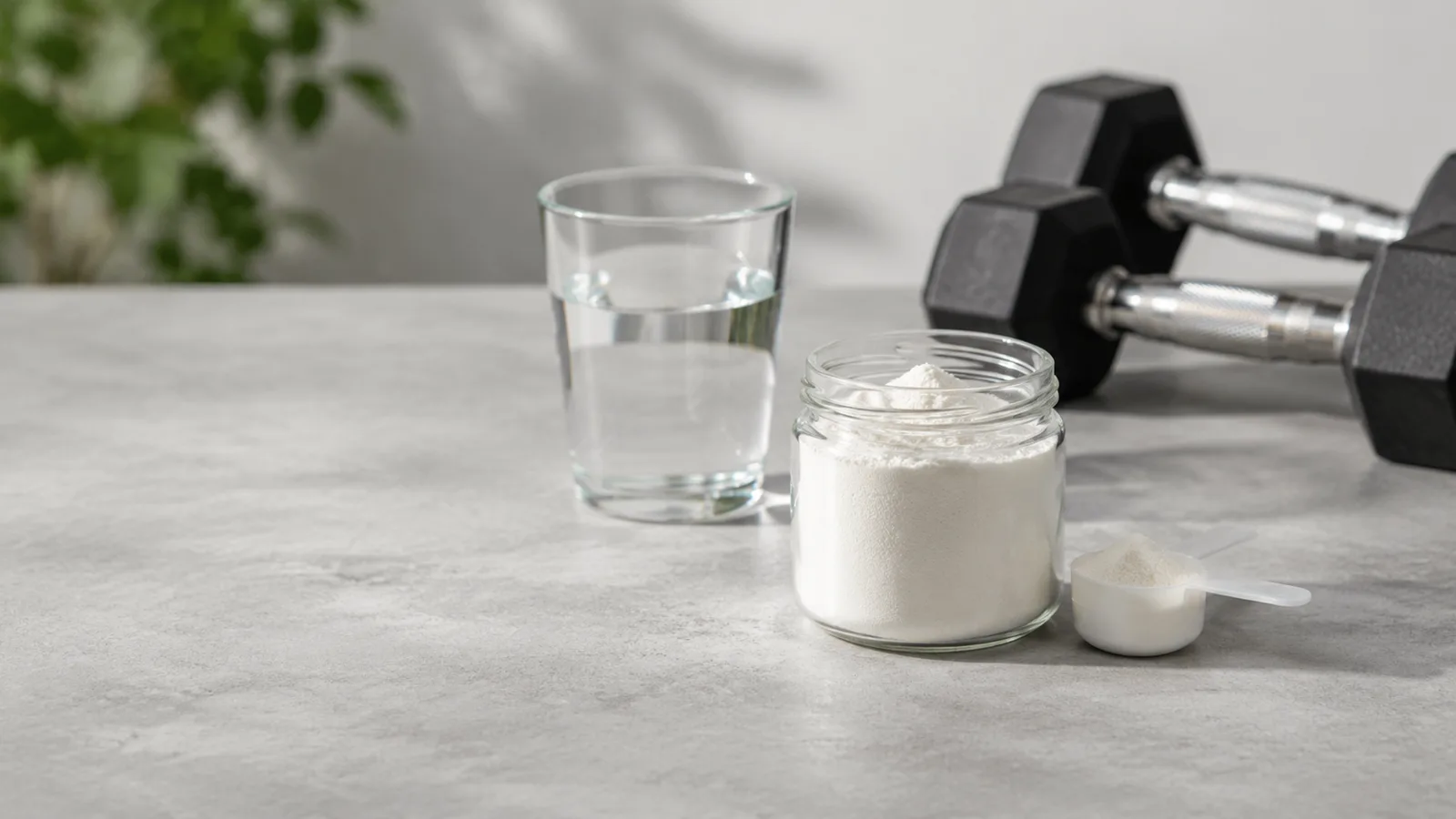
A sober guide to creatine monohydrate, resistance training, expected effects, product quality and the situations that need individual advice.

A practical movement-break system for long sitting days that trains joints, balance and everyday patterns without pretending five minutes replaces exercise.
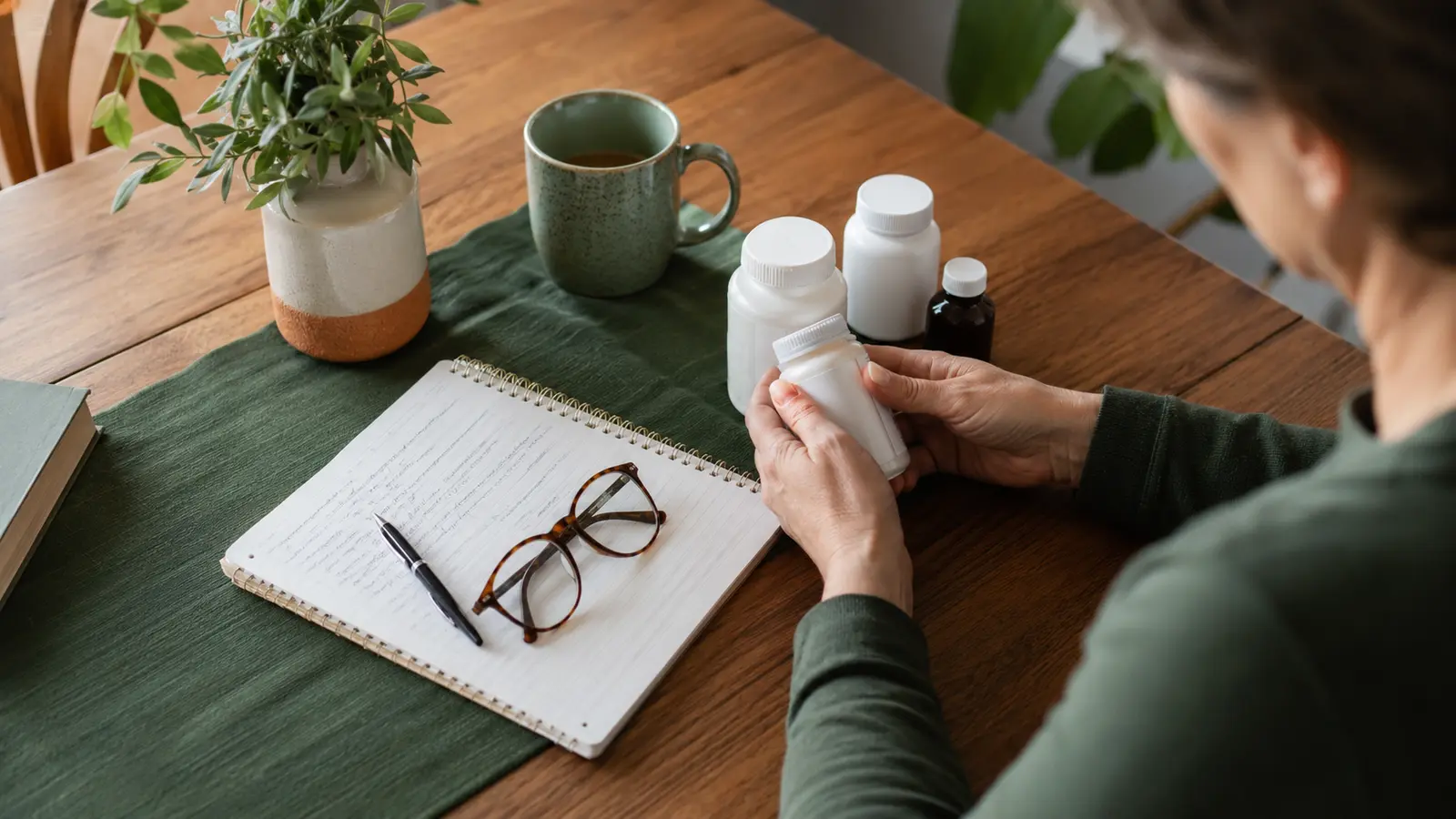
An adult preparation checklist for a safer, more useful conversation about prescriptions, over-the-counter products and supplements.

Three AI assistants judged the same walking-only routine after age 50. We checked the exercise guidelines, strength claims, balance advice and source quality.
We gave Claude and Gemini the same four-week fitness prompt, checked the arithmetic, opened every source and found one consequential planning error.
Three AI assistants answered the same 3-liter hydration question. We checked their numbers, sources, citation quality and one major rate-versus-total error.
The exact disclosure, prompting and fact-checking rules behind our model comparisons.
We check sources, show our methods and separate an AI answer from verified guidance.